
News · Solomon Islands
Solomon Islands Chamber of Commerce & Industry: Prioritising engagement
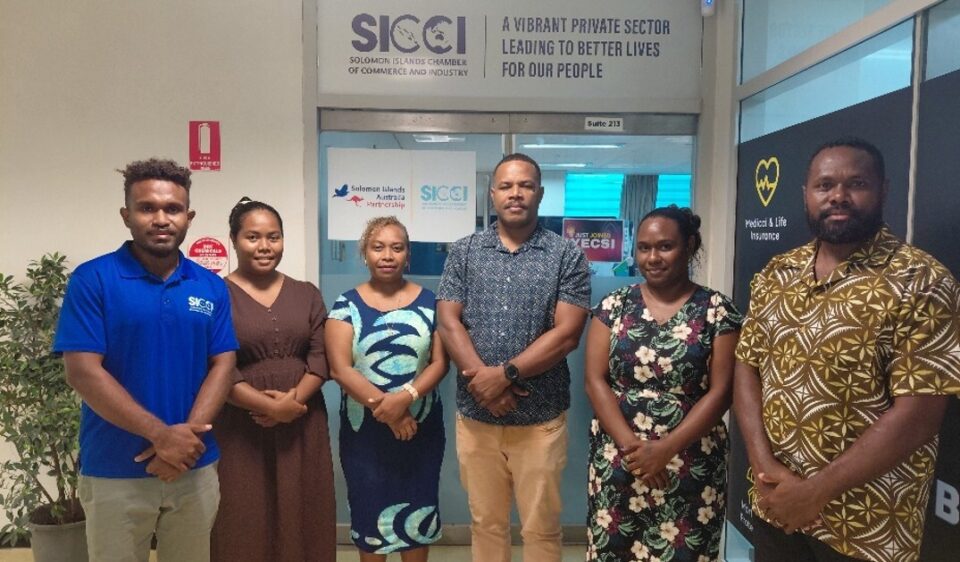
The Solomon Islands Chamber of Commerce and Industry (SICCI) is the peak private sector body for the Solomon Islands. We spoke to James Dolarii who is the Chief Executive Office and talks to us about the priorities for SICCI.
James joined SICCI as a Membership Services Officer – that was in 2013. Later after promotions, time out for study and experience in other government roles, he rejoined the Chamber to become the CEO in 2024.
“We are the direct engagement or dialogue partner advocating and being the voice of the private sector with stakeholders. Government is one of our critical partners. We provide input into policy and regulatory environment, development planning, and economic reform discussions that shape the future of Solomon Islands’ private sector,” says James.
“We want to ensure the business environment is conducive for business growth and investment and that the environment provides a good launch pad for new SMEs.”
The importance of understanding the regulatory environment
SICCI's provides critical training for businesses to understand how to operate within the regulatory environment in the Solomon Islands.
“It is a core foundation of business success in the Solomon Islands. Those who don’t understand these regulations may get caught up down the line, impacting their businesses.”
SICCI programmes provide members with insights and an understanding of the necessary processes and procedures to navigate for successful business operations.
MSME sector
SICCI represents approximately 200 businesses, with roughly 80% being Micro, Small, and Medium Enterprises (MSMEs) and 20% being large businesses. The Chamber seeks to support the growth of SME, both in terms of capacity development and direct financial support.
The SME sector is approximately 80% of all businesses.
Support and training are also provided to informal businesses to help them move into the formal sector, ensuring they understand the business environment and have necessary systems like accounting and banking in place.
While programmes are prioritised to members, SICCI doesn’t limit their training programmes to SICCI members only, finding that people who join our programmes often go on to join the Chamber. Although there are some entry requirements for some programmes.
In the Solomon Islands, BLP has a partnership with the Solomon Islands Small Business Enterprise Centre and is currently re-establishing its partnership with the SICCI.
“I think partnerships like BLP are a good framework for getting businesses to access capacity building and access to finance. It will provide an opportunity for growth and expansion,” says James.
“It is still early days. We are focussing on ensuring we are prepared internally first – with the systems and capacity in place in the office, before rolling out promotions for the BLP programme.”
Networking and industry engagement
“SICCI actively engage with their members, particularly when particular bills or regulatory changes will affect our members.”
The chamber organizes industry working groups, hosts meetings in the office, and travels to members' sites to interact directly, informing and gathering views. These direct interactions form the basis of the chamber's advocacy position papers, which are crucial for discussing potential regulatory materials that might affect businesses.
Direct engagement with members also occurs through networking events, such as the "Business of the Life" program, where members can network and listen to a special speaker on a specific topic.
Innovation: for members in the provinces
The chamber is exploring innovative ways to assist provincial members, including a potential payment system through local phone provider to facilitate membership renewals and potentially and as a way to give out smaller finances like grants.
“It is still in discussion at this stage. We thought of this, because we have smaller SME members in the provinces. They have challenges going to the bank, queuing up and making payments. James says with a better system in place it may make it easier to retain members and for smaller SMEs to join in the provinces. With a framework in place, we could potentially use this to distribute financial help to SMEs.”
Expansion of Business Excellence Awards in 2026
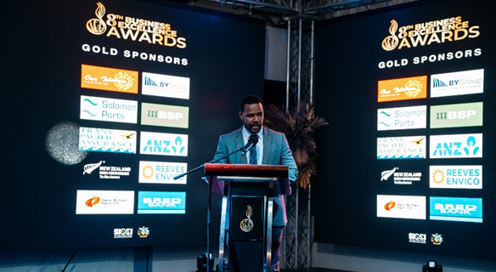
One of the SICCI’s initiatives this year is the expansion of one of their flagship recognition programmes, the Solomon Island Business Excellence Awards.
“It is like the Hollywood gala event for the Solomon Islands.”
The programme is an initiative between SICCI and the Solomon Island Government to recognise business private sector resilience, operations, contribution to community, creation of jobs and the tax payment.
“We host our bi-annual Excellence Awards to recognise and promote the private sector and this year we are planning to add more into the event to provide more recognition and elevate SI businesses.” James says it’s important to give a sense of ownership, being a part of the private sector and contributing something meaningful to Solomon Islands. The Awards started in 2013, and this year is its ninth event.
Creating a pathway for entrepreneurs to grow
The Young Entrepreneurs Council Solomon Islands (YECSI) operates within the same office space as the Solomon Islands Chamber of Commerce and Industry (SICCI). It has its own board, management, and team of three staff. James says it’s not really about the age of the entrepreneurs but the stage in business development. The council works directly with young businesses, such as sole traders and those that have been operating for one or two years. It currently has approximately 200 individual members – mostly in the informal sector.
The council helps informal businesses graduate into the formal sector. Once they reach this level, they can join the Chamber. YECSI runs programs focused on capacity building, training, and business growth, particularly within the consumption sector.
Energy infrastructure
A major concern for businesses in the Solomon Islands is the high cost of electricity, which acts as a barrier to manufacturing growth. The chamber is advocating for an independent regulatory body for energy to separate regulation from generation and distribution, which are currently both managed by a single state-owned enterprise.
James says the Chamber is optimistic about the Tina River hydro project—a 15-megawatt system with expected completion in 2028—which aims to lower electricity costs and support broader private sector expansion.
The Solomon Islands Chamber of Commerce and Industry is a driving force for the private sector through advocacy, strategic partnerships and support services. Close connections and strong networks are the basis for proactive, appropriate and innovative Chamber strategies and initiatives to help support the private sector and shape a stronger, more dynamic economy for the Solomon Islands.
To start your journey with BLP, you can self-assess your needs by using the free online tools available to help small- and medium-sized businesses diagnose areas in their businesses that an advisor could improve.
The first step can be the online Business Health Check. You can also check your business's resilience to respond to crises or climate change challenges on the Business Continuity Planner and the Climate Action Sensor. If you prefer to meet a local BLP representative in person to discuss your business, get in touch with our local partners to arrange a face-to-face Diagnostic.