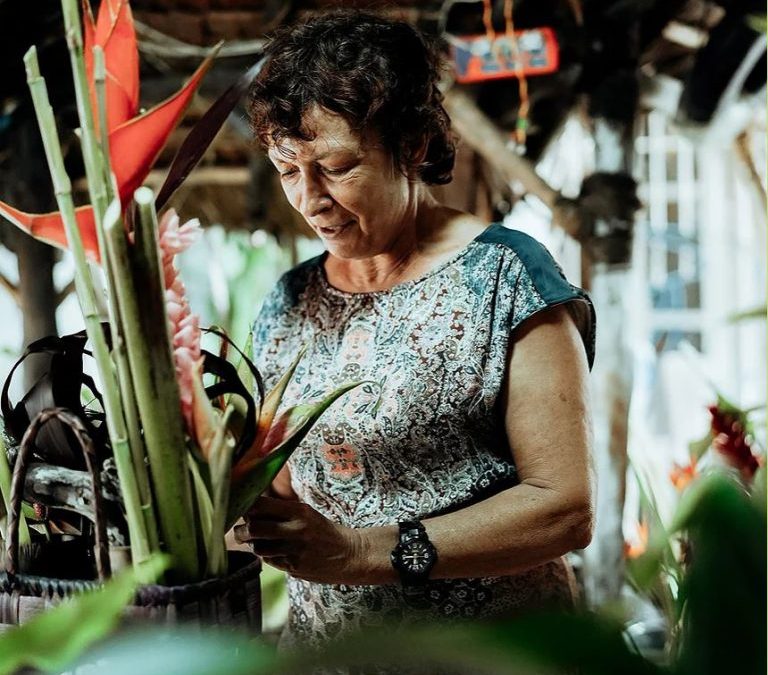
Anne Pheu, owner of Fleur et Flammes, Vanuatu. Source: Pacific Digital Transformation Consulting.
Gender and social inclusion for Pacific businesses in a time of Covid-19
At Business Link Pacific (BLP) we partner with women and men to support the growth and continuity of businesses in the Pacific Islands. We work to enable access to business advisory services for small and medium-sized businesses and take into consideration their different and gendered dynamics and needs.
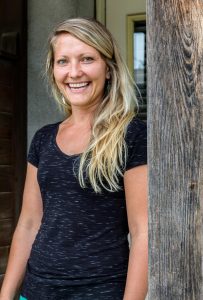
For this week’s blog article we asked our Gender and Social Inclusion Advisor, Kara Klassen to share her views on gender and social inclusion for growing businesses in the Pacific, amidst the Covid-19 global pandemic.
As of April 13, 2020, the Johns Hopkins Coronavirus Resource Centre has reported almost 1.9million Covid-19 cases worldwide with almost 115,000 deaths; Pacific Island Countries and Territories (PICTs) have reported 225 cases (in Papua New Guinea (PNG), Fiji, French Polynesia, Guam and New Caledonia) with 6 deaths, so far.
For the Pacific region, Covid-19 represents a particularly significant challenge because not only is the virus very contagious, but it is arriving in the region on the back of measles and dengue outbreaks in many PICTs, where health systems and communities are already strained. For most in the region, access to quality healthcare (without these health problems) is already difficult, as a result of poor infrastructure, lack of equipment and qualified personnel. Testing laboratories remain few and far between, requiring many PICTs to send tests to the few locations where labs exist, which can take time and significant resources.
The economic and social impacts as a result of the spread of this virus are already extensive; governments and policymakers are predicting poor economic forecasts for the global economy. The countries where BLP is working are being challenged as well, challenges which have been further exacerbated by Tropical Cyclone Harold.
While the number of cases in the region are relatively few at the moment, PNG, Vanuatu and Samoa have all declared states of emergencies in order for them to mobilise appropriate resources and funding for their respective Covid-19 responses.
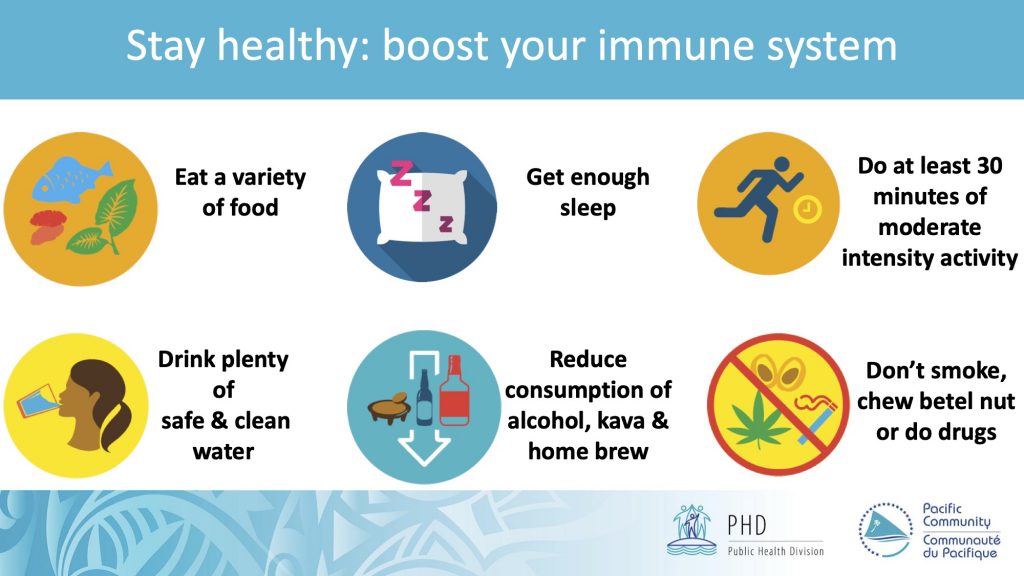
Source: Pacific Community (SPC)
Fiji has 16 confirmed cases to date and is under a nationwide curfew from 8pm to 5am daily, Lautoka and Suva are under full lockdown. PNG has 2 confirmed cases to date and have been on lockdown from March 23 to April 6 with the state of emergency being extended by 2 months. The Cook Islands are in Code Yellow recommending people work from home.
Vanuatu remains one of the few places in the world that is Covid-19-free, however the island nation has been in lockdown since March 26. They also endured the brunt of Tropical Cyclone Harold’s ferocity along with the Solomon Islands, Fiji and Tonga, and are now working to recover and rebuild in a dual emergency situation. Samoa is also still Covid-19-free but their borders remain closed and the State of Emergency has been extended for a further 4 weeks.
While these responses may help to “flatten the curve” of what is often an inevitable exponential increase in the number of cases within a given country, they also mean a significant slowing down of lives and economic activity for most. In all of this, the most vulnerable, especially women, youth, the elderly, people with disabilities, and indigenous populations are and will continue to be the most significantly impacted. In the South Pacific, as with anywhere in the world, this remains true. Therefore, considerations of how these populations are impacted as individuals, employees, entrepreneurs and business owners, are critical.
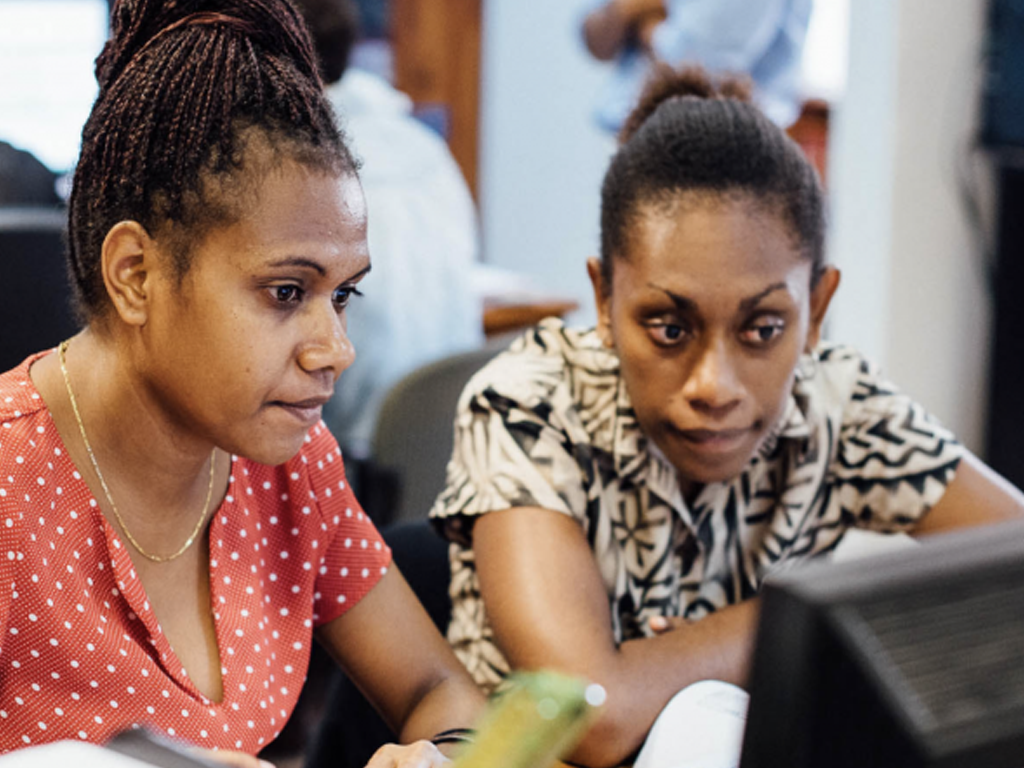
The following lays out three key areas where women and other vulnerable groups are and will continue to be most impacted by the Covid-19 crisis. Recommendations and thoughts on how to mitigate these negative impacts are offered as well.
- Women make up over 70% of the world’s healthcare workers. Their health and safety should be the number one priority. In many PICTs, female health workers, serving as midwives, nurses, community health workers, cleaners, etc., who work in urban areas and remote islands, lack the necessary supplies, including safety and protective equipment, to adequately serve communities. This puts their own lives at risk (should they be exposed to the virus) as well as their own families and communities.
As national government responses to the outbreak are formed, and healthcare systems in these PICTs are increasingly overwhelmed, the needs of female health workers must be taken into consideration, specifically, to ensure they have the supplies they need, in addition to mental and physical support required to continue to serve communities.
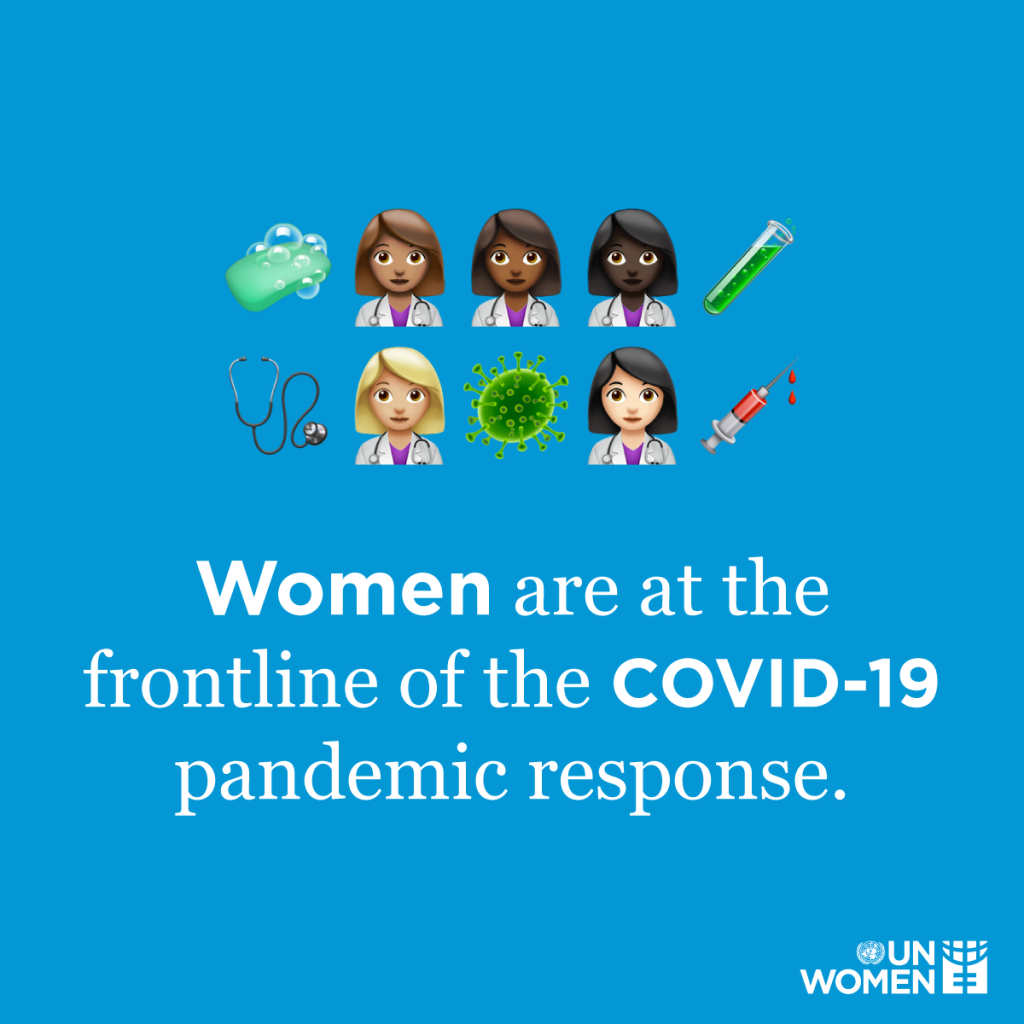
- Women’s triple burden of care is compounded further putting them and their families at risk. In many cultures, women are the main caregivers of the family – in the Pacific region, this is no different. Their triple burden of work often means they are not only responsible for productive work (employment), but they are also responsible for the family’s reproductive work, such as caring for children and elderly family members, cooking and cleaning, as well as organizational work which includes ensuring community obligations are met. These responsibilities will be compounded during the Covid-19 crisis as schools and daycare facilities close, forcing mothers to become teachers and childcare providers alongside household and community obligations.
Leaders, policymakers and even employers must be aware of these challenges women face and seek to advocate for and/or provide for things like flexible working conditions, child-care support and other financial support for women to ensure families, communities and small businesses are sustained during the crisis. Continued and accessible information for women on what is happening, how to keep safe and avoid infection, and how they can access care, support, services related to their physical, emotional and mental needs, is also critical.
- Women make up a significant proportion of the casual and precarious labour force and make up fewer leadership and decision-making roles – yet they are more vulnerable to the broader impacts of Covid-19. Women’s and other vulnerable groups’ roles within a majority of sectors are often casual or considered less essential. As a result, these groups will be most impacted when businesses are forced to downsize or close due to a lack of economic activity and resources. As business and policy decisions continue to be made during this critical time, women and other vulnerable groups’ must be included at the decision-making table.
Now is a critical time to take a gendered and inclusive approach to these issues because of how differently women and girls, and other marginalized groups experience these crises. This is a moment for governments and the private sector to recognize both the enormity of the contribution women make and the precarity of so many, and take action to mitigate the negative impacts that are inevitable.
At Business Link Pacific (BLP) we partner with women and men to support the growth and continuity of businesses in the Pacific Islands. We work to enable access to business advisory services for small and medium-sized businesses and take into consideration their different and gendered dynamics and needs as well. During this crisis, BLP is increasing its support and resources available for subsidy applications to offer business advice in areas such as crisis management and business continuity.
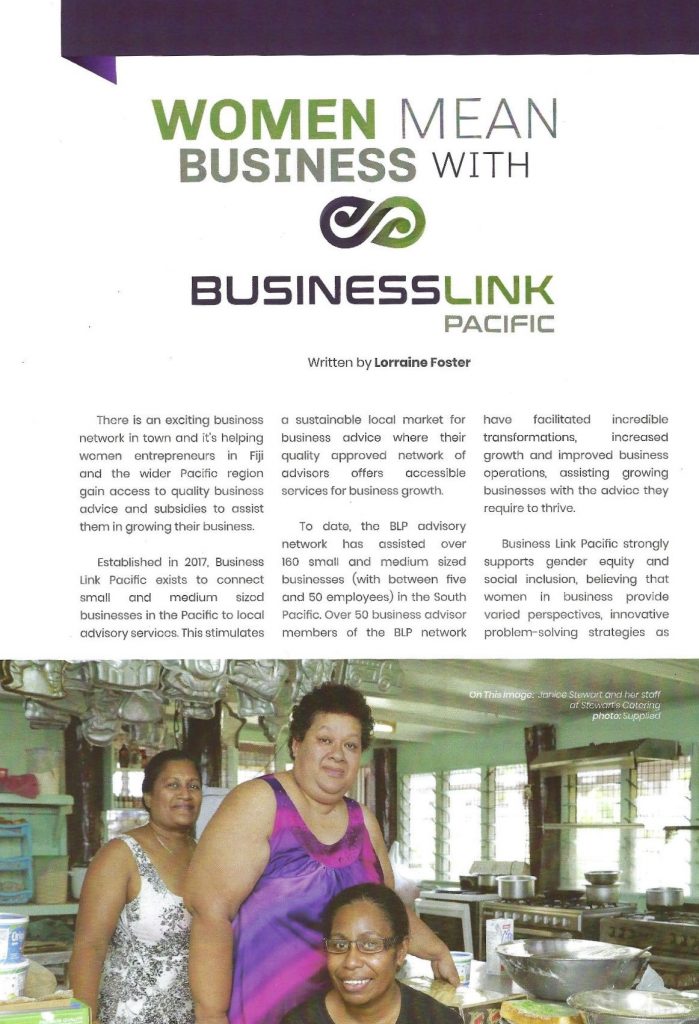
If you are interested in connecting with a BLP approved advisor in our network, especially if you have specific business needs related to/as a result of the Covid-19 global pandemic, please select from the following options:
- Search our database for a BLP approved advisor that suits your needs.
- Take the free online Business Health Check, which takes between 5-10mins to complete and helps you identify potential gaps in your business. From there you can connect with a local BLP approved advisor.
- Take the free online Business Continuity Planner, designed specifically to identify areas of improvement for business resilence planning. From there you can connect with a local BLP approved advisor and gain access to the BLP 100% Subsidy Package.
- Contact your in-country representative to set up an appointment (appointments will be conducted online or on the phone for the time being):
Vanuatu: Yvonne Leo Taiki [email protected]
Samoa: John Lemoa [email protected]
PNG: Apeo Timoci [email protected]
Cook Islands & Solomon Islands: Paul Wendland [email protected]
Fiji: Ramesh Chand [email protected]